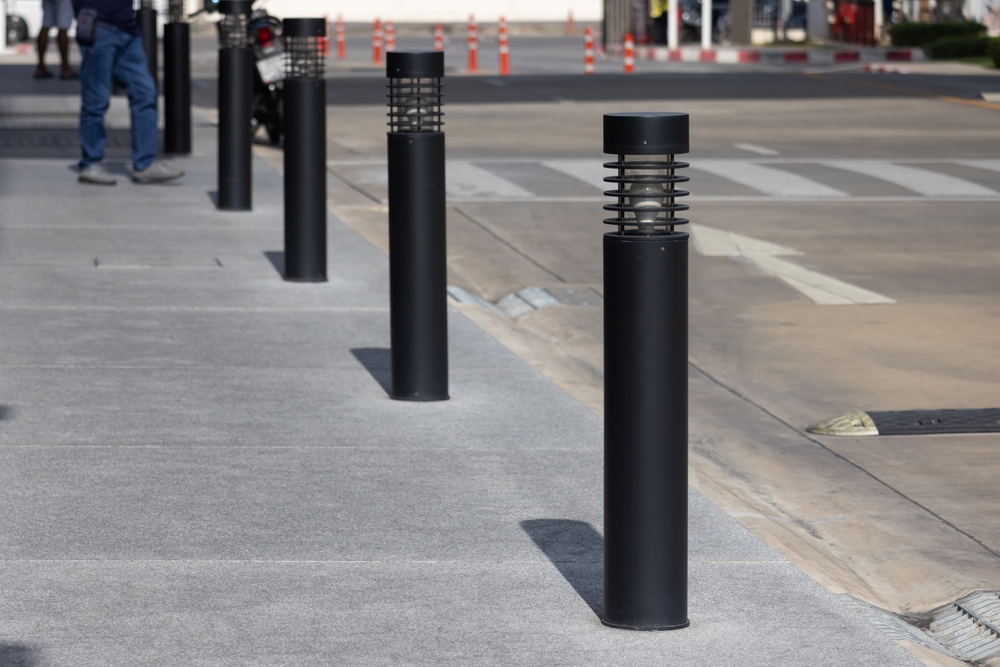
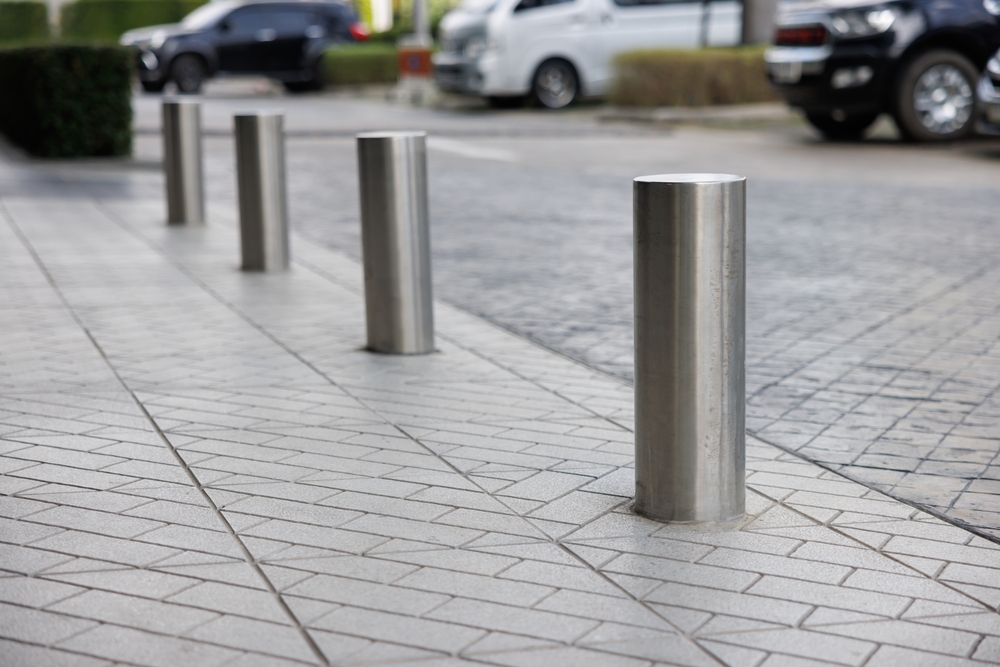
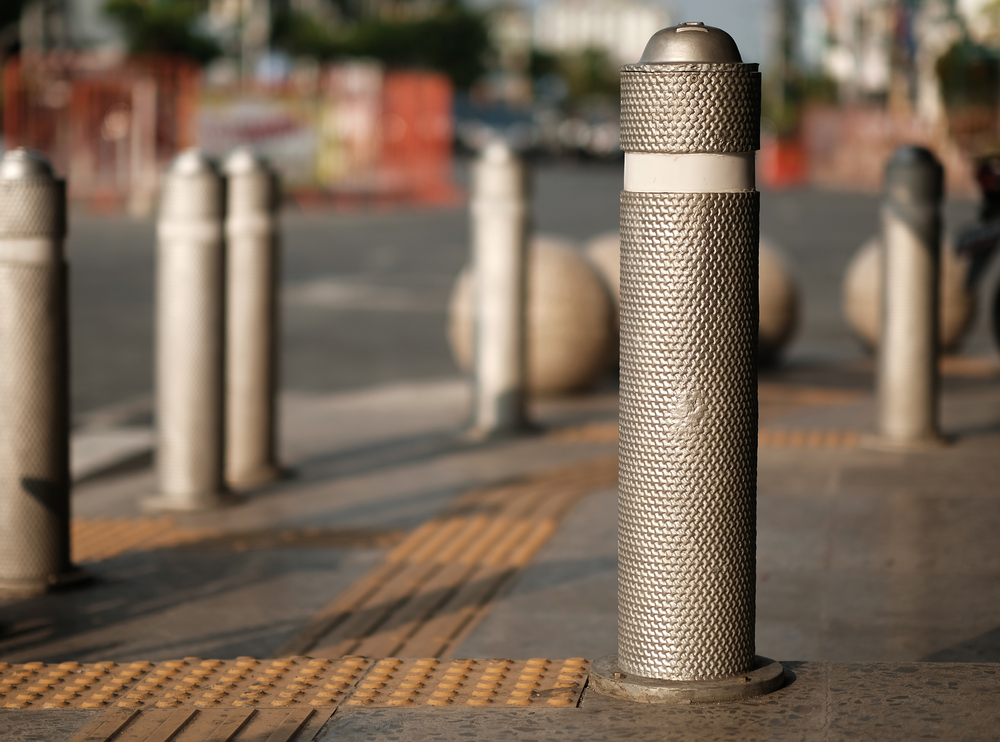
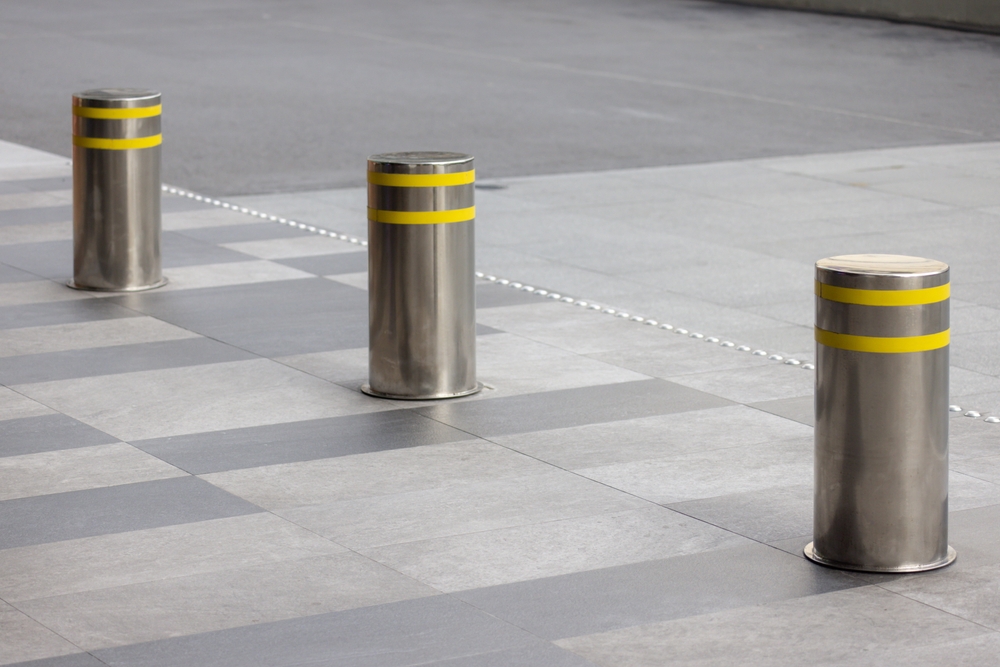
These sturdy structures not only serve practical functions but also contribute to urban aesthetics, with designs that can blend seamlessly into various environments while ensuring pedestrian safety.
Bollards are essential vertical posts used in urban planning to control traffic and enhance safety, preventing unauthorized vehicle access to pedestrian areas and protecting buildings.
Types Overview
Fixed Bollards
Permanent installations ensuring robust security for designated areas.
Removable Bollards
Flexible solutions that allow temporary vehicle
access when needed.
Retractable Bollards
Mechanized bollards that adapt to changing access requirements.
Design and Material Considerations
Fixed Bollard Design
Security Features: Ensures safety by preventing unauthorised access. Weatherproof Design: Constructed to endure harsh environmental conditions. Impact Resistance: Designed to absorb and withstand vehicle collisions. Customizable Aesthetics: Available in various styles to match surroundings.
Removable Bollard Varieties
Removable bollards offer flexibility and convenience for managing access in various environments. They are designed for easy removal and storage, adapting to changing urban needs.
Flexibility: Easily removable for temporary access needs. Storage: Designed for compact and convenient storage. Versatility: Adapts to diverse urban requirements efficiently.
Material Selection
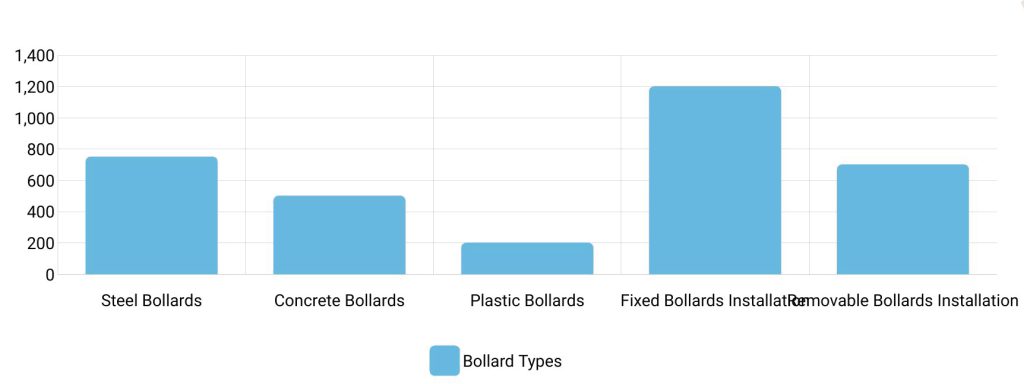
Steel bollards are known for their strength and impact resistance, while concrete provides long lasting security. Plastic options are lightweight and economical, making them ideal for temporary installations or low-traffic areas.
Material selection is crucial for bollard performance, influencing durability, cost, and visual appeal. Various materials like steel, concrete, and plastic offer distinct advantages depending on the intended use.
Installation Process
Site Assessment
Conduct a thorough evaluation of the installation site to identify location specifics, environmental conditions, and potential obstacles.
Foundation Preparation
Prepare a stable foundation by ensuring the
ground is level and free from debris, which is
essential for the bollards' performance.
Installation Techniques
Use the right tools and follow best practices to
securely install the bollards, ensuring they
meet safety and design specifications.
Safety Standards
2010
Introduction of global safety standards for bollard manufacturing and installation.
2015
Significant advancements in impact testing technology for safety assurance.
2020
Mandatory documentation requirements implemented for all bollard installations.
Cost Considerations
Comparative Analysis of Bollard Costs
Maintenance Tips
Proper maintenance of bollards is crucial for their longevity and effectiveness. Regular upkeep ensures safety and preserves their appearance over time.