New user?
Also registered?
Stainless steel has become a defining material in modern Saudi architecture. It is valued for its strength, visual appeal, and long-term performance. One of the key factors that determines how stainless steel performs and appears in a project is its surface finish. Architectural metal finishes influence durability, maintenance needs, light reflection, and overall design quality.
This guide explores the main types of surface finishes for stainless steel, their applications in Saudi Arabia, and how they contribute to successful architectural outcomes.
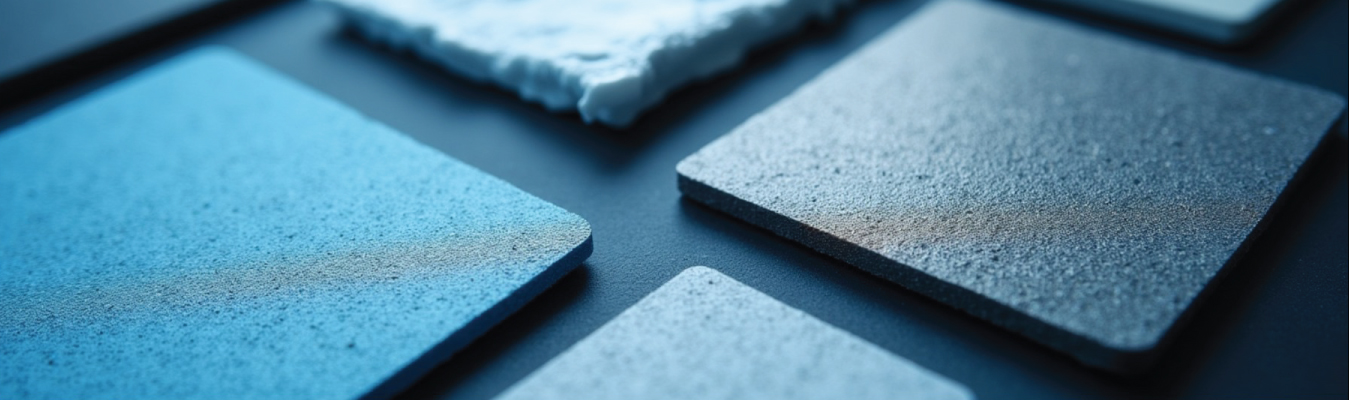
A surface finish is the final treatment applied to stainless steel after manufacturing. It affects texture, reflectivity, corrosion resistance, and resistance to fingerprints, stains, and abrasion. In architectural projects, finishes must meet both functional and visual requirements.
Mill finishes are produced directly at the steel manufacturing stage. They form the base for many architectural applications.
A common example is the 2B finish, which has a smooth, matte appearance. It is widely used for interior panels, concealed structural elements, and utility areas. It offers good corrosion resistance and cost efficiency. Another option is the BA or bright annealed finish. It has a reflective, mirror-like surface. This finish is suitable for decorative features, elevators, and interior cladding where high reflectivity is desired.
Mill finishes are often selected for projects that require consistent quality and controlled costs, especially in large scale developments.
Brushed and satin finishes are among the most popular choices in Saudi commercial and residential architecture. These finishes are created by mechanically polishing the surface with abrasive materials, producing fine linear patterns.
The most widely used version is the No. 4 finish. It has a soft, satin appearance that reduces glare and hides minor scratches. This makes it ideal for handrails, facades, doors, and wall panels. Brushed finishes are known for their durability and visual appeal. They are easy to maintain and suit modern design concepts commonly seen in offices, shopping centers, and hospitality projects.
In high traffic areas, these finishes help preserve a clean and professional appearance with minimal maintenance effort.
Polished and mirror finishes create strong visual statements. These finishes undergo extensive mechanical polishing to achieve high reflectivity.
Mirror finishes are used in luxury interiors, retail displays, feature walls, and artistic architectural metal installations. They reflect light and surrounding elements, creating a sense of openness and visual depth. In Saudi Arabia, these finishes are frequently used in premium hotels, malls, and cultural venues. However, they require careful handling and regular cleaning, as fingerprints and dust are more visible on highly reflective surfaces.
For external applications, mirror finishes are used selectively, as intense sunlight can cause glare and heat reflection issues.
Bead Blasted and Matte Finishes for Subtle Appearance
Bead blasted finishes are produced by projecting fine glass or ceramic beads onto the surface. This creates a uniform matte texture with low reflectivity.
These finishes are suitable for projects aiming for a restrained, contemporary look. They are commonly used in museums, government buildings, and corporate headquarters, where understated design is preferred.
Matte finishes also help conceal surface imperfections and reduce visual wear. They perform well in outdoor environments, especially when combined with appropriate corrosion resistant grades.
Colored and Coated Stainless Steel Surfaces
Advances in surface technology have expanded design possibilities through colored and coated stainless steel. Physical vapor deposition coatings and electrochemical coloring methods allow stainless steel to achieve gold, bronze, black, blue, and other tones.
These finishes are widely used in high-end commercial developments, mosques, hotels, and retail spaces. They provide a strong visual identity while maintaining the material’s strength and corrosion resistance. Protective coatings also enhance resistance to staining and environmental damage. In coastal cities such as Jeddah and Dammam, coated finishes offer added protection against salt exposure.
Careful specification is important, as coating quality directly affects durability and color stability.
Performance in Saudi Climate Conditions
Saudi Arabia’s climate presents unique challenges for architectural metals. High temperatures, intense ultraviolet radiation, sandstorms, and humidity in coastal regions can accelerate surface degradation.
Finishes with smooth textures and high corrosion resistance perform best under these conditions. Polished and satin finishes are easier to clean, as dust and sand particles are less likely to become trapped. In marine environments, higher-grade stainless steel with protective finishes is recommended.
Architectural metal and surface finishes play a central role in the performance and appearance of stainless steel in Saudi construction. From brushed and polished textures to advanced colored coatings, each finish offers distinct advantages for specific applications. By understanding environmental conditions, functional needs, and design goals, project stakeholders can make informed decisions that support long term value. Careful selection and proper maintenance ensure that stainless steel surfaces remain durable, visually consistent, and aligned with the Kingdom’s architectural standards.
Choosing the Right Metal Fabricators in KSA for Stainless Steel, Corten,...
Complete Guide to Metal Fabrication in Saudi Arabia: Processes, Materials and...
Corten Steel in Architecture: Benefits, Durability and Design Applications Corten steel...
The Role of Ductile Iron Gratings and Access Hatches in Modern...
The Ultimate Guide to Architectural Metal and Surface Finishes for Stainless...
Introduction to Steel Buildings Steel buildings are celebrated for their durability,...